What Is Bitcoin?
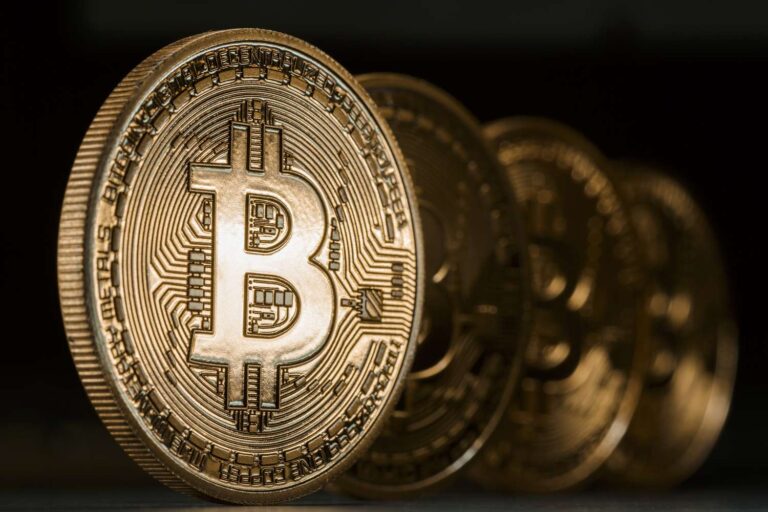
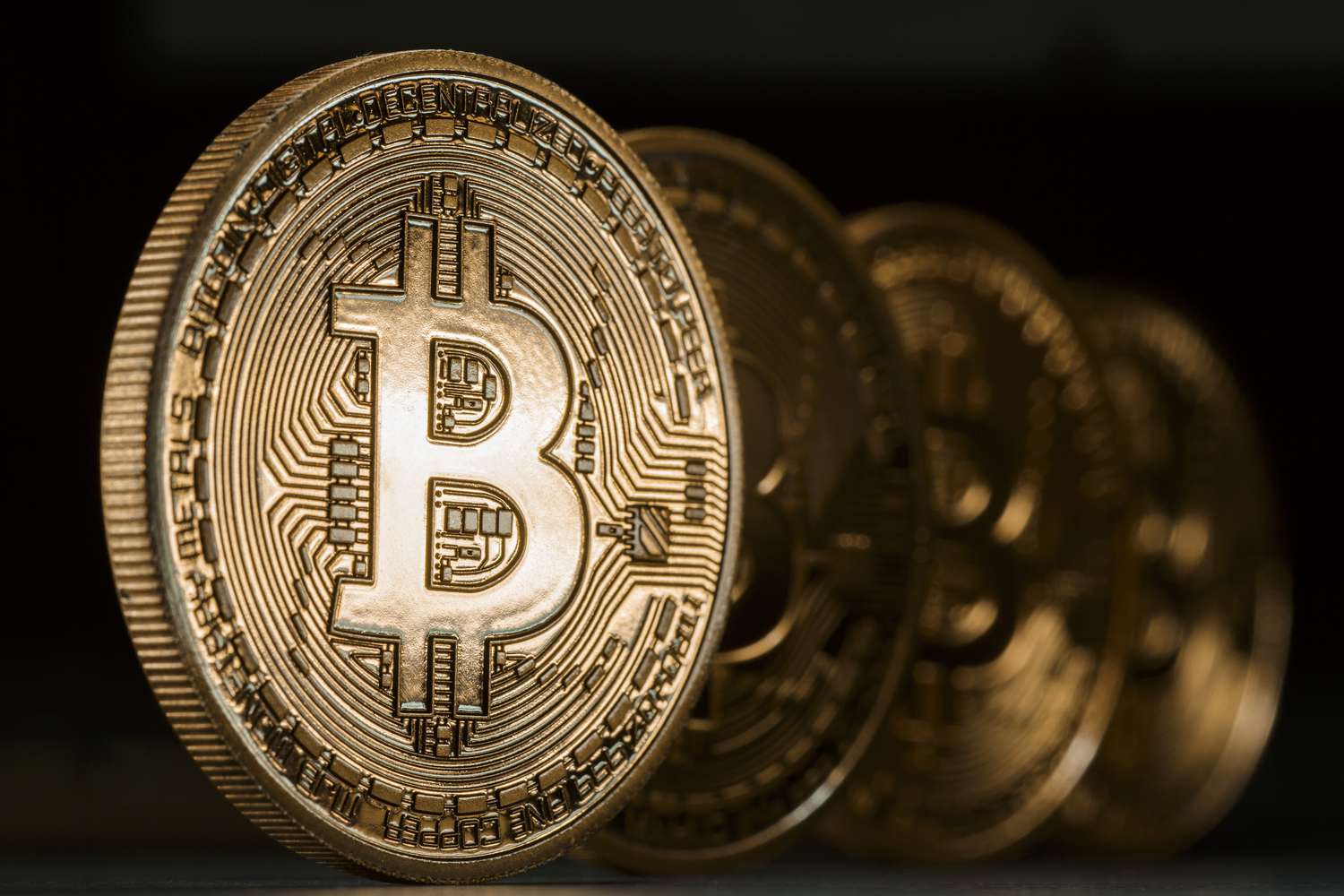
Bitcoin (BTC) is a decentralized digital currency that allows people to make transactions directly with one another, without the need for a trusted third party like a bank or government. Launched in 2009 by an anonymous individual or group under the pseudonym Satoshi Nakamoto, Bitcoin has since become the most popular and largest cryptocurrency in the world.
Bitcoin operates on a blockchain, which is a distributed ledger system secured through cryptographic techniques. This makes it incredibly secure and transparent. Bitcoin has inspired the creation of many other cryptocurrencies, but it remains the original and the most widely recognized in the market.
In this article, we’ll dive into the basics of Bitcoin, how it works, how you can buy and mine it, and the risks associated with investing in it.
The History of Bitcoin
The Birth of Bitcoin
Bitcoin’s creation was announced in a 2008 whitepaper titled “Bitcoin: A Peer-to-Peer Electronic Cash System” by Satoshi Nakamoto. The goal was to create a decentralized digital currency that could operate without the need for a central authority, like a bank.
In January 2009, Nakamoto mined the first Bitcoin block, known as Block 0 or the genesis block, which contained the message: “The Times 03/Jan/2009 Chancellor on the brink of a second bailout for banks.” This message was seen as a commentary on the financial instability of that time.
How Bitcoin Mining Works
Bitcoin mining is the process by which new bitcoins are created and transactions are verified on the blockchain. Miners use powerful computers to solve complex mathematical problems, competing to find the right solution (called a hash) for each new block. The first miner to find the correct hash gets to add the block to the blockchain and is rewarded with new bitcoins.
Bitcoin’s mining reward is halved every 210,000 blocks. In 2009, miners received 50 BTC for each block, but as of 2024, the reward is only 3.125 BTC per block. This halving process continues until the total supply of Bitcoin reaches its cap of 21 million, a point expected to occur around 2140.
How Bitcoin Works
Blockchain Technology
At the heart of Bitcoin’s functionality is the blockchain — a decentralized ledger that records every Bitcoin transaction. Unlike traditional centralized databases, the blockchain is distributed across thousands of computers (known as nodes), which means there’s no single point of failure. This decentralized nature ensures Bitcoin transactions are secure, transparent, and resistant to censorship.
A block on the blockchain contains information about Bitcoin transactions, and each block is connected to the previous one, forming an unbreakable chain of data. Every block is encrypted using SHA-256 (Secure Hash Algorithm), which ensures that once a block is added to the chain, it cannot be altered.
Bitcoin’s Divisibility
One Bitcoin (BTC) is divisible up to eight decimal places, with the smallest unit being one satoshi (0.00000001 BTC). This divisibility makes Bitcoin accessible for small transactions and also allows people to buy fractions of a Bitcoin, even if the full price of one is out of reach.
How to Buy Bitcoin
If you want to own Bitcoin but don’t want to mine it, buying it is the most straightforward option. You can purchase Bitcoin on cryptocurrency exchanges like Coinbase, Binance, and Kraken.
To buy Bitcoin:
- Create an Account: Sign up for a cryptocurrency exchange and complete the verification process.
- Fund Your Account: Deposit funds using a bank transfer, credit card, or debit card.
- Place an Order: Choose the amount of Bitcoin you wish to buy and place a market or limit order.
- Store Your Bitcoin: After purchase, store your Bitcoin in a cryptocurrency wallet for added security.
How to Mine Bitcoin
Mining Bitcoin used to be something anyone could do with a personal computer. However, due to the increasing difficulty of mining, only those with specialized hardware, such as Application-Specific Integrated Circuits (ASICs), can profitably mine Bitcoin today.
- ASIC Miners: These are custom-built machines designed specifically for Bitcoin mining. They are much faster and more efficient than regular computers.
- Mining Pools: Most individual miners join mining pools, where they combine computational power with others to increase their chances of successfully mining Bitcoin. Pool participants share the rewards based on the amount of power they contributed.
Though mining can be profitable, it’s not without significant costs. Electricity, hardware, and cooling can be expensive, so it’s essential to understand the financial implications before starting.
How to Use Bitcoin
Payments and Transactions
Bitcoin was initially designed to be a peer-to-peer payment system, and it is still widely used for transactions. Many businesses, both online and brick-and-mortar, accept Bitcoin as payment for goods and services.
To make a Bitcoin payment, you simply need a cryptocurrency wallet that holds your private keys. These keys are used to authorize transactions. Transactions are often completed by scanning a QR code or copying a wallet address.
Investing in Bitcoin
Over the years, Bitcoin has evolved from a niche digital currency to a highly sought-after investment. Investors buy Bitcoin not only as a way to pay for goods but also as a store of value and an investment asset.
Bitcoin’s price can be volatile. For example, Bitcoin’s price surged to over $69,000 in 2021, then dipped below $30,000 in 2022, before rebounding to new highs in 2024. If you’re considering investing in Bitcoin, it’s essential to stay informed about its price movements and risks.
Risks of Investing in Bitcoin
Bitcoin’s price volatility is one of the main risks associated with investing in it. Other risks include:
- Regulatory risk: Bitcoin’s legal status is still unclear in some countries. Governments could impose regulations that affect its value.
- Security risks: Hacks on exchanges or individual wallets can lead to significant losses.
- Market risk: Like any asset, Bitcoin’s price can fluctuate dramatically, driven by external events.
It’s essential to be aware of these risks and only invest what you can afford to lose.
Conclusion: Is Bitcoin Right for You?
Bitcoin has revolutionized the world of finance by offering a decentralized and secure method of transferring value. Whether you want to use it for payments, invest in it, or mine it, Bitcoin has many applications. However, the risks are also significant, so it’s crucial to understand how it works and what you’re getting into before getting started.
If you’re considering buying Bitcoin, take time to research and evaluate your options carefully. The world of cryptocurrency is still relatively young, and while the potential for growth is huge, it’s important to be aware of the risks involved.
Disclaimer: The above press release has been provided by a third party. We do not verify or endorse the content and will not be responsible for any inaccuracies, claims, or damages arising from the same.